432Hz frequency is a musical tuning standard where the note A4 vibrates at 432 cycles per second, slightly lower than the modern 440Hz standard. With its warmer and gentler tone, 432Hz music is widely used to support nervous system relaxation, ease end-of-day tension, and guide the mind into restful sleep.
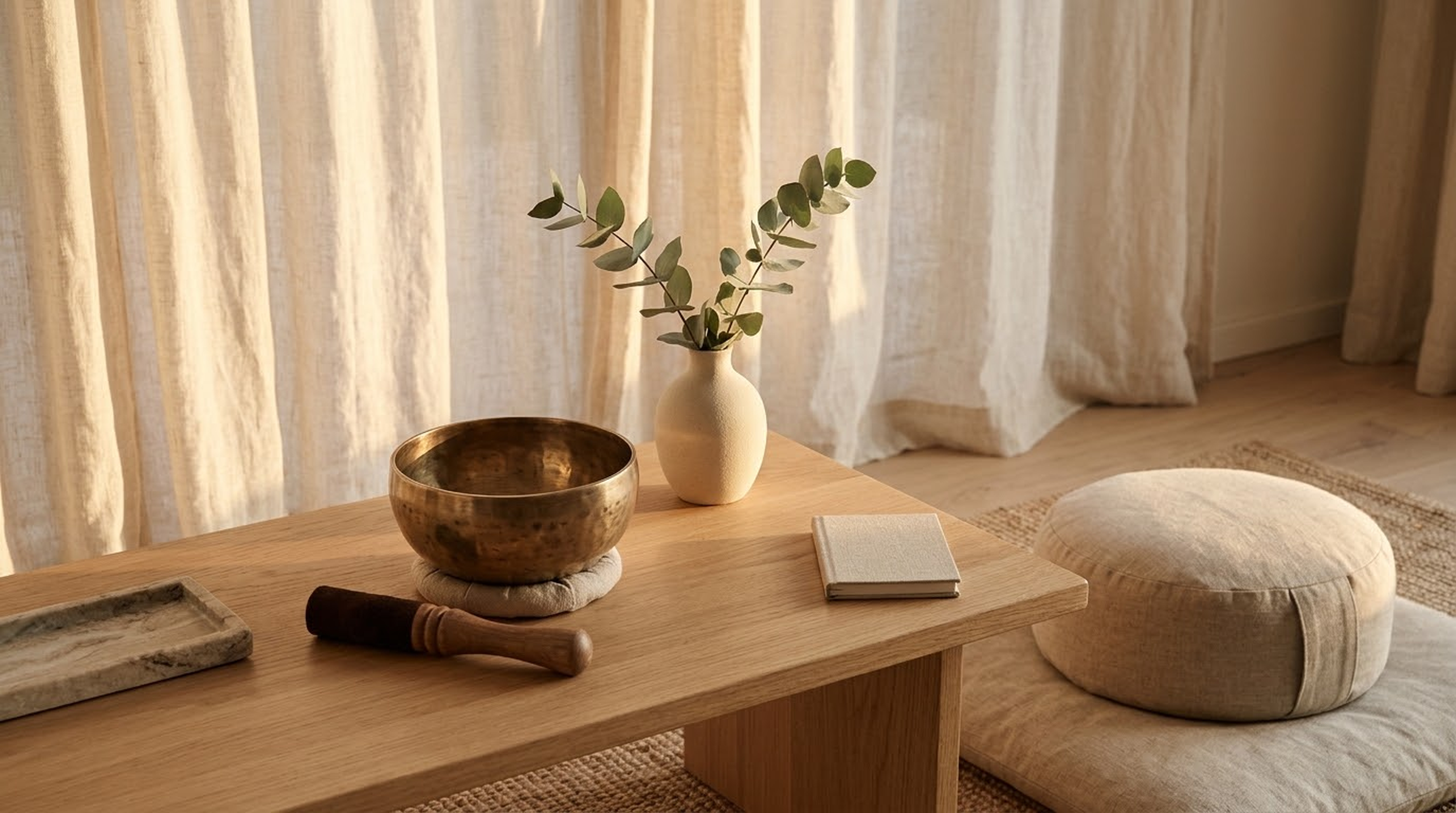
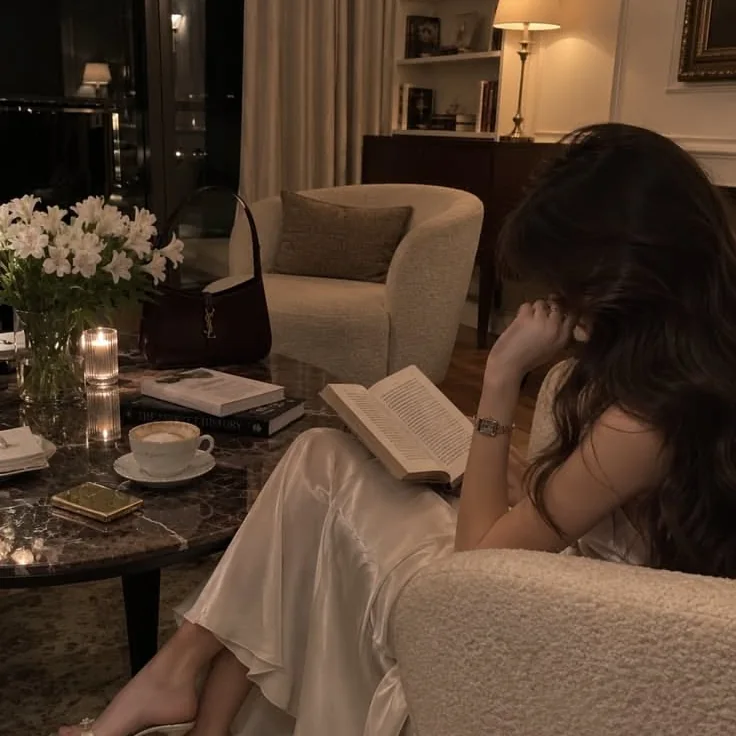
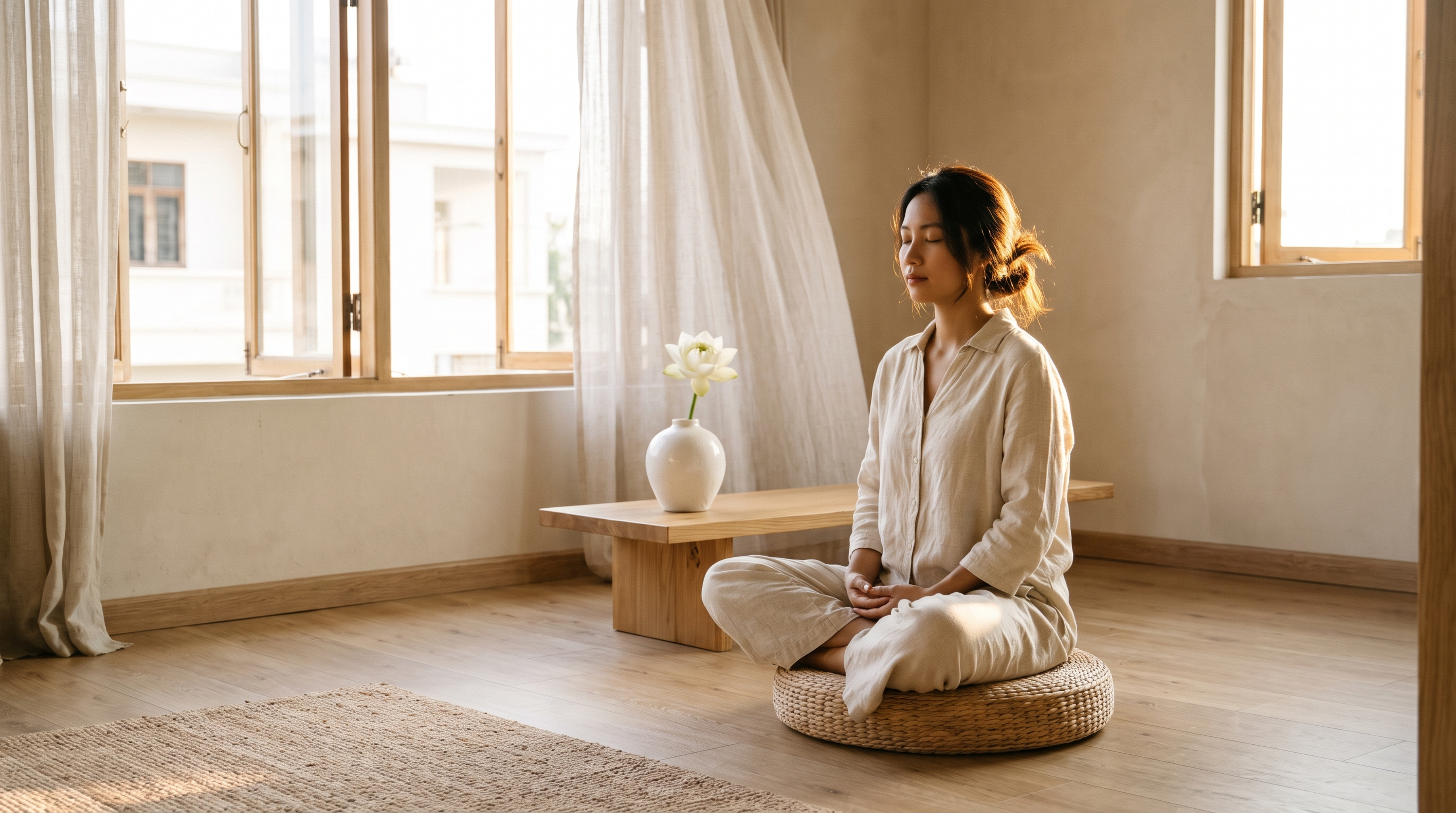
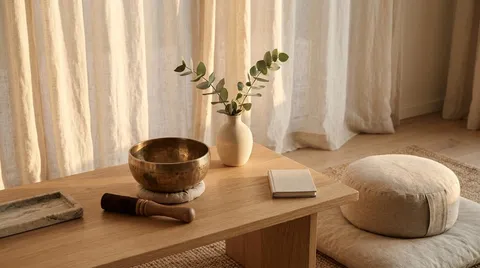
A quiet space with 432Hz sound helps slow your breathing after a long day.
The Essence of 432Hz Frequency and Why People Love This Natural Rhythm
When you play a meditation track or a soft singing bowl in the evening, the soothing sensation spreading through your chest often comes from the pitch of the sound. In modern Western music, most recordings tune the note A4 to 440Hz. When A4 is lowered to 432Hz, the entire piece shifts slightly downward, just enough for the human ear to notice a warmer and softer resonance.
Many meditation practitioners and mindfulness enthusiasts call 432Hz the natural rhythm of ease. The difference of 8 cycles per second may seem small physically, yet it creates a noticeable shift in perception. Instead of the bright, sharp, and somewhat energizing edge of 440Hz, the 432Hz range offers a rounded resonance that lets your ears rest.
Alongside personal experience, biomedical researchers have also begun exploring the physiological effects of these two tuning standards. A double-blind crossover pilot study published in Explore (PubMed PMID: 31031095) with 33 healthy volunteers found that listening to the same music tuned to 432Hz for 20 minutes was associated with a mean heart rate decrease of 4.79 bpm compared to 440Hz. Participants also reported higher general satisfaction and gentle focus.
Another clinical trial in 2022 among emergency nurses (PubMed PMID: 35545982) observed that the group listening to 432Hz music during work breaks showed lower respiratory rates and systolic blood pressure. Still, researchers emphasize that these are small-scale studies suggesting natural relaxation support rather than medical treatment.
4 Practical Benefits of Listening to 432Hz Music Every Day
If you are looking for a simple habit to care for your mental well-being without complicated preparation, spending 15 minutes with 432Hz music each day offers four practical benefits for modern life.
1. Helps Calm the Nervous System After a Stressful Workday
Throughout the day, our brains are constantly stretched by traffic noise, phone notifications, and work deadlines. When you return home feeling restless, 432Hz sound acts as a gentle transition signal. Its steady, warm rhythm helps slow down your breathing, reminding your body to shift from stress mode into rest mode.
2. Creates a Gentle Anchor for Easier Sleep
Many people lie awake for hours because their minds keep replaying events from the day. Playing an instrumental 432Hz track at low volume gives your mind a soft anchor. Instead of chasing racing thoughts, your attention follows the slow notes, allowing your eyelids to grow heavy naturally.
3. Supports Soft Focus While Reading or Journaling
Unlike vocal music that can easily distract your attention, pure 432Hz soundscapes create a calm backdrop for quiet evenings at home. Combined with gratitude journaling or reading before bed, this frequency helps you stay gently present without mental fatigue.
4. Nurtures Inner Connection and Peace of Mind
When the mind settles down, it becomes much easier to listen to your own emotional signals. That is when you notice where you feel tired, which expectations to release, and what truly brings you joy. To explore more ways to maintain a positive daily state, you can read our guide on how to raise your vibrational frequency.
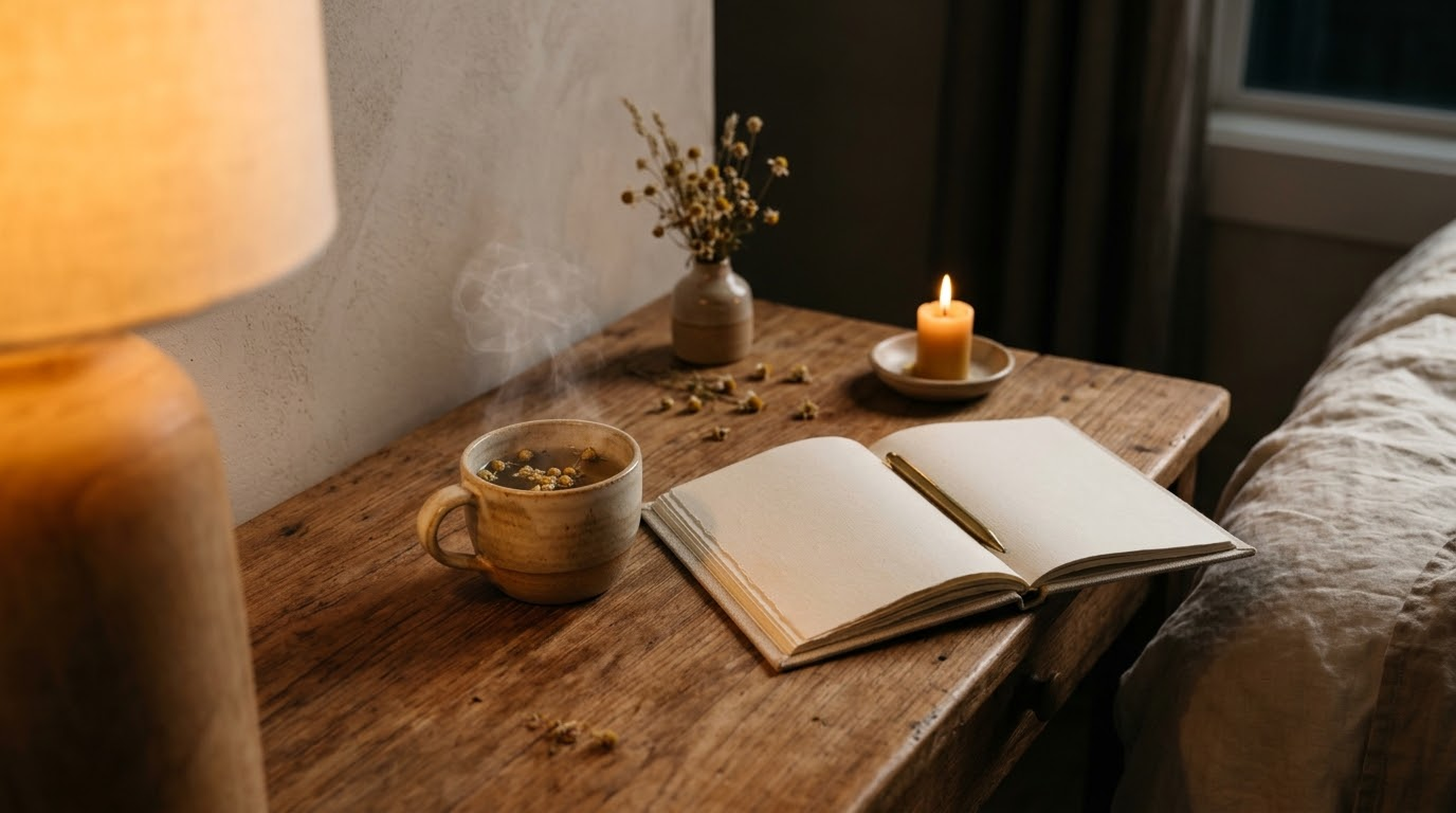
A warm cup of herbal tea and 15 minutes of 432Hz music make a gentle evening ritual.
Comparing 432Hz with 440Hz, 528Hz, and 963Hz: Which Frequency Should You Choose?
In sound therapy, each frequency carries its own character and ideal timing. You can review the quick comparison table below to choose the right sound range for your needs:
Frequency
Tonal Character
Primary Use
Best Time to Listen
432Hz
Warm, soft, gentle on the ears
Nervous system relaxation, stress relief, sleep support
Evening, before bedtime, or during midday rest
440Hz
Bright, crisp, modern standard
Entertainment, motivation, active movement
Daytime, workouts, or when you need alertness
528Hz
Clear, warm, heart-opening
Emotional soothing, cultivating compassion and love
15-Minute Evening 432Hz Listening Framework & Do's and Don'ts
Step 1 — Unwind your space and body (First 3 minutes): Dim harsh white lights, switch to a warm bedside lamp, and put your phone on Do Not Disturb. Play 432Hz music at a low, comfortable volume while relaxing your shoulders and jaw.
Step 2 — Breathe slowly and set a peaceful intention (Middle 7 minutes): Inhale gently through your nose for 4 seconds and exhale slowly for 6 seconds. As your mind settles with the music, softly repeat a simple intention such as: "I allow myself to rest completely tonight."
Step 3 — Transition naturally into sleep (Final 5 minutes): Set a 20-to-30-minute sleep timer so the room becomes completely quiet once you drift off, giving your ears full rest overnight.
Alongside the 3-step framework, here is a quick summary of do's and don'ts for a safe and pleasant experience:
Do
Don't
Keep the volume low and gentle, using a bedside speaker or lightweight headphones.
Play music too loudly or wear tight earbuds all night, which can fatigue your ears.
Listen in a quiet space paired with deep breathing or reading a physical book.
Scroll through stressful social media feeds while listening to 432Hz music.
Practice consistently for 15–30 minutes each evening as a self-care ritual.
Listen to deeply relaxing tracks while driving or operating machinery.
Use 432Hz as a supportive relaxation tool alongside healthy daily habits.
Expect sound frequencies to replace medical diagnosis or professional treatment.
Jennie's Perspective on Listening to 432Hz Frequency
I always encourage beginners not to pressure themselves into feeling something dramatic on the first try. Simply listen with an open, relaxed mind, notice your breathing soften bit by bit, and let sleep arrive naturally.
When do you usually listen to 432Hz music, and how do you feel after 15 minutes? Share your thoughts in the comments below!
Jennie has no separate AI assistant on Claude or ChatGPT; her Yin Yang Masters app is listed there — birth charts, numerology and lucky dates right in the chat.
Little Assistant is Jennie's helper. Every hour she writes a diary note about new posts and videos, plus a calm 3-minute practice. Come say hi at her desk.