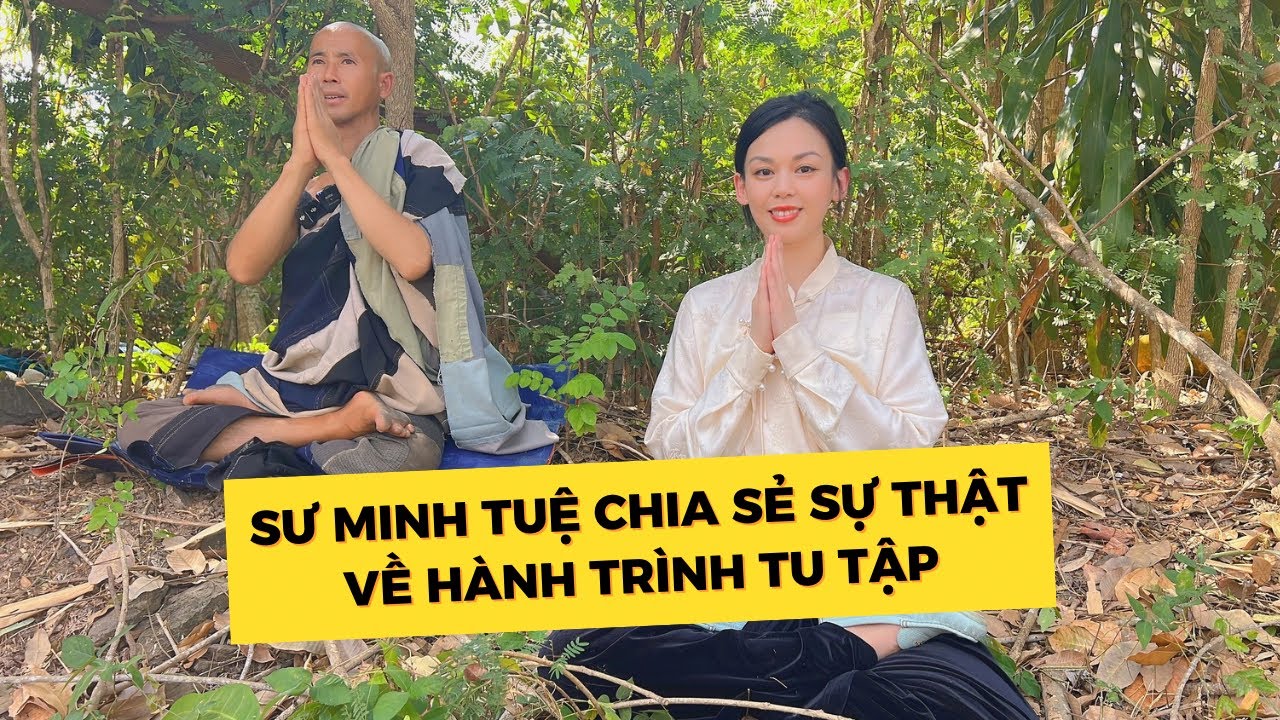
Interviewing Venerable Thich Minh Tue: Answers to Core Questions on the Buddhist Dharma
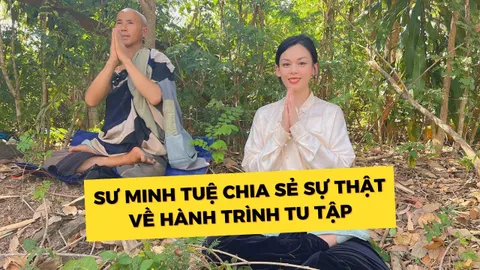
My interviews with Venerable Thich Minh Tue include an in-depth dialogue published on 02/02/2025 and three Dhamma inquiry sessions at Bodh Gaya, India, released in 09/2025. This article summarizes the core questions and his direct teachings: regarding prayer, merits, karma, compassion, ancestral remembrance, and sustaining steadfast faith.
How the Interviews with Venerable Thich Minh Tue Unfolded
I have produced videos reflecting on Venerable Minh Tue's ascetic spiritual practice since 2024. When I first encountered images of him online, I was deeply moved, as his presence profoundly strengthened my faith on the spiritual path. Thus, when the karmic affinity arose to sit down and ask him about the Dhamma, I prepared questions that many viewers on my channel had sent to me.
There are four videos that you can revisit on my YouTube channel:
| Video | Published Date | Number of Questions |
|---|---|---|
| Venerable Minh Tue Shares the Dhamma with Jennie Uyen Chu | 02/02/2025 | 36 |
| Dhamma Inquiry with Venerable Minh Tue at Bodh Gaya (Part 1) | 06/09/2025 | 18 |
| Requesting Dhamma Teachings at Bodh Gaya (Part 2) | 07/09/2025 | 19 |
| Dhamma Inquiry with Venerable Minh Tue at Bodh Gaya (Part 3) | 08/09/2025 | 19 |
This article summarizes the dialogues from my channel. His teachings below have been rephrased concisely from the videos while preserving his original meaning without additions. If you wish to listen word-for-word, please watch the original videos at the designated timestamps indicated below.
Venerable Minh Tue on Prayer, Merits, and Karmic Conditioning
How can an ordinary person pray to resonate with the Buddhas and Bodhisattvas?
He explained that the foremost step is to listen to virtuous and wise spiritual friends. If you have not met them, seek guidance in sacred scriptures and fundamental teachings. Once you listen and understand, your faith deepens, and only then can authentic practice begin. (Video 02/02/2025, minute 01:32)
Can family members transfer karmic merits to one another?
According to him, it is possible, but one must cultivate virtuous deeds first to have merits to share. We perform wholesome actions and dedicate the merits, wishing for our loved ones to be relieved from suffering. If our relatives are committing unwholesome deeds, gently counseling them to transform their conduct is also an invaluable gift of merit. (minute 08:01)
How do we know how much spiritual merit we possess?
He advised looking inward: have we upheld the 5 precepts, have we practiced generosity and assisted those in destitution, and did we do so out of pure compassion or for reputation? Upholding the 5 precepts is the essential foundation; to ascend further, one upholds the 8 precepts, 10 precepts, and cultivates meditation. He also reminded us: if we have not resolved our own greed, anger, and delusion, it is very difficult to truly help others. (minute 09:59)
Why do kind-hearted people still encounter adversity?
He explained that unwholesome karma from past lifetimes might be ripening, while the fruits of virtuous deeds in this lifetime have not yet fully matured. He suggested viewing it from another angle: because of your present virtuous actions, the adversity arriving has already been significantly softened; without these wholesome deeds, the consequences could have been far more severe. (minute 32:03)
How can someone facing overwhelming misfortune transform their karma?
He emphasized that the foundation remains doing wholesome deeds, seeking virtuous mentors, and maintaining unwavering faith. The greater the hardship, the more vital it is to avoid falling into drinking and destructive habits. If loved ones are suffering, such as enduring illness, our practice of wholesome conduct, precept observance, meditation, and merit dedication will bring genuine support to them. (minute 39:52)
If you want to read more about karma from a practical, grounded perspective, I have written an article on What is the Law of Cause and Effect.
Compassion, Wealth, and Family Life Through His Teachings
Is loving affection in conflict with letting go of attachment?
He shared that the Buddha taught these two aspects do not contradict each other. Worldly affection in family life inevitably encounters sickness, aging, death, and separation, which can turn into sorrow. Brief worldly pleasure should eventually be relinquished to aspire toward enduring, boundless peace. (minute 33:02)
Does possessing great wealth signify immense spiritual merit?
According to him, if an individual with merits continues doing good, living generously without stinginess, their merits will multiply. However, if one indulges in sensory pleasures and commits harmful acts, those merits will eventually deplete. Conversely, those without material wealth who live virtuously, practice charity, observe precepts, and meditate will continuously generate profound merit. He reminded us that worldly fortune is transient, so do not relentlessly chase after it. (around minute 56:56)
Are the poor or the wealthy closer to the Buddha?
At Bodh Gaya, he replied that poverty does not automatically make someone closer, nor does wealth push one further away. The decisive factor is the wholesome spiritual root of each individual. A poor person harboring malice and envy remains distant; a wealthy person who practices generosity and supports spiritual practitioners is very close. (Part 1, minute 09:25)
Is ancestral veneration considered superstition?
He stated that remembering one's parents, grandparents, and ancestral roots is not superstition. According to him, superstition occurs when people are deceived or plunged into irrational fear without comprehending what they are doing. Veneration conducted with mindful understanding, bringing joy and profound gratitude, holds deep commemorative meaning for parental sacrifices. (Part 3, minutes 01:22 and 03:04)
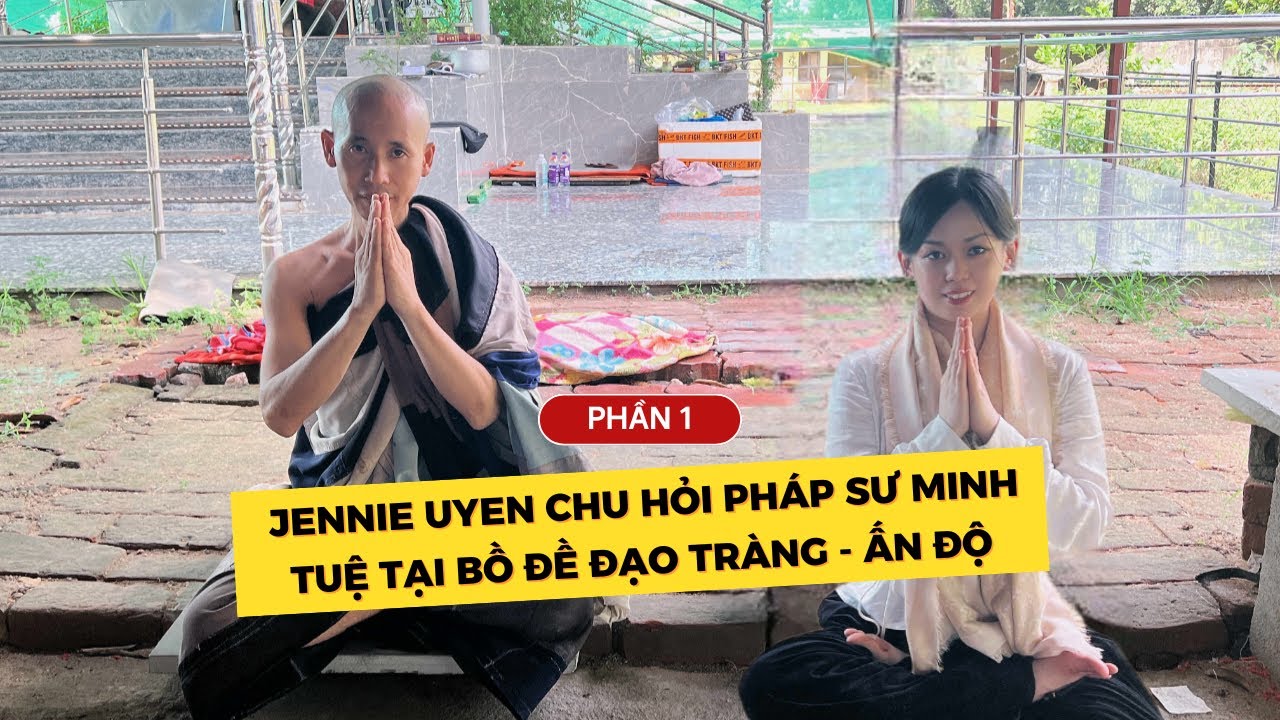
Venerable Minh Tue's Dharma Inquiry at Bodh Gaya
The three sessions in India included numerous questions submitted by Buddhist practitioners asking for my assistance in inquiring. Here are the insights I found most practical for everyday life.
If we dedicate all our merits to others, do we retain any merit ourselves?
He answered that dedicating merits does not diminish them; rather, it magnifies one's merits. Dedicating merit to all sentient beings is simultaneously dedicating merit to oneself, as all beings walk together toward spiritual awakening. (Part 1, minute 02:50)
When does helping others turn into interfering with their karma?
He advised: when one has not accumulated sufficient spiritual virtue and depth, one should not rush to give advice. Only when virtue is mature can one truly inspire others. We know we have helped properly when we observe that person abandoning harmful habits, living more mindfully, and experiencing serenity. (Part 1, minute 06:47)
What is the greatest lesson after your 7 years of monastic asceticism?
His answer was remarkably humble: his greatest lesson is the immense fortune of having the faith to follow the Buddha's teachings, safeguarding a pure monastic life and precepts, while watching that faith blossom more beautifully each day. (Part 2, minute 05:35)
Living in the lay world, how can one let go while maintaining responsibilities?
He explained that one must study scriptures, absorb the teachings, and stay close to wise spiritual friends so faith can grow. Understanding cause and effect and karmic retribution inspires a natural reverence for goodness and a desire to learn. The Buddha shared the path without coercion; how much one relinquishes depends on individual karmic affinity and wisdom. (Part 2, minute 17:16)
Where does such unwavering spiritual faith originate?
He stated that faith arises from listening to teachings, contemplating them deeply, and seeing their truth, which naturally strengthens conviction. Only with established faith can steadfast perseverance follow. (Part 3, minute 13:53)
I previously shared what I learned from his spirit of non-attachment in my articles on Lessons from Teacher Minh Tue: The Power of Letting Go and 6 Deep Healing Lessons from Teacher Minh Tue's Journey.
How to Know You Are Practicing the True Dhamma
This is the question I contemplate most frequently. He answered: look at the internal transformation within yourself. If following the teachings—such as observing precepts and cultivating meditation—brings greater peace, diminishes greed, anger, and ignorance, and makes the mind calm and clear, then you are on the right path. If your journey only fosters resentment, craving, and deeper suffering, it departs from the true Dhamma. (Video 02/02/2025, minute 45:28)
A Simple Routine to Begin
Reflecting on his answers, I synthesized a gentle 7-day spiritual exercise:
- Every evening, reflect on the 5 precepts. Did I harm anyone today, take what was not freely given, speak untruths, or lose mindfulness through intoxication? Simply write down one reflective sentence.
- Perform one small wholesome act. Sharing a meal, offering words of kindness, or extending affordable assistance. Ask yourself: am I acting out of sincere compassion or seeking external validation?
- Dedicate merits. After each wholesome deed, wish for a suffering loved one to find tranquility, and then radiate that wish of peace to all sentient beings.
- Contemplate a Dhamma passage. Spend 5 minutes daily reading teachings, such as the Four Noble Truths or the Noble Eightfold Path. He frequently reiterated: faith matures through attentive listening and clear contemplation.
- Reflect at week's end. Compared to last week, have anger and anxiety diminished? That is the exact criterion he highlighted to discern if one is progressing along the true path.
Final Words of Venerable Minh Tue
At the conclusion of our first dialogue, he expressed sincere gratitude to all people—both those who supported him and those who presented challenges—wishing everyone boundless happiness. He affirmed he would strive to uphold monastic discipline and ascetic practice to honor the trust of all beings. (minute 50:03)
At Bodh Gaya, his parting message was equally serene: observe the 5 precepts, arouse the Bodhi mind, live harmoniously, avoid conflict, and diminish greed, anger, and delusion within oneself. (Part 3, minute 15:40)
For me, the most resonant insight across these four meetings is that he consistently anchors every answer in tangible actions: observing precepts, cultivating compassion, studying teachings, and inspecting one's mind. There is no other secret.
Among the questions above, which one touched your heart the most? Please leave a comment to let me know; I read each reflection thoughtfully.